
Wildlife Control Solutions Denver emphasizes the importance of proactive soffit and vent screening to mitigate property damage from squirrels, birds, bats, and other intruders. A 75% decrease in wildlife-related damage is achieved with fine mesh screens, metal mesh, stainless steel wire cloth, or polypropylene fabric. Annual inspections, prompt repair, and professional services ensure continuous protection. Certified Wildlife Control Solutions Denver experts employ humane methods like live traps, one-way doors, and noise deterrents, reducing repeat visits by 75%. Partnering with them secures properties and supports local wildlife in their natural habitat.
In the vibrant landscape of Denver, maintaining a balanced ecosystem within our homes and businesses is paramount. Wildlife control solutions are often required to address unwanted intruders, especially when they take up residence in soffits and vents. These areas, though essential for proper ventilation, can become convenient entry points for a variety of wildlife, causing damage and creating safety hazards. This article delves into the intricacies of soffit and vent screening as an effective Wildlife Control Solution Denver residents can trust to safeguard their properties, offering practical insights into this often-overlooked aspect of home maintenance.
- Understanding Wildlife Entry Points: Common Pests & Access Routes in Denver
- Effective Screening Techniques: Safeguarding Your Home Against Unwanted Guests
- Professional Wildlife Control Services: When and How to Hire Experts in Denver
Understanding Wildlife Entry Points: Common Pests & Access Routes in Denver
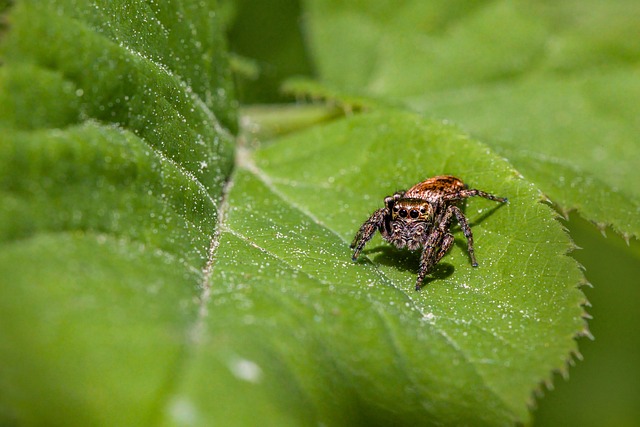
In Denver’s diverse ecosystem, wildlife control is a critical aspect of maintaining comfortable and secure living spaces. Understanding wildlife entry points is key to effective management, and this starts with identifying common pests and their access routes. The city’s unique geography, with its rolling hills, urban sprawl, and proximity to natural habitats, presents various challenges when it comes to keeping unwanted visitors out. For instance, raccoons, known for their adaptability and dexterity, frequently access homes through soffits and vents, taking advantage of any gaps or openings. This is not an isolated case; snakes, birds, and even rodents often find their way into attics and crawl spaces through similar entry points.
Wildlife Control Solutions Denver has observed that many residential areas suffer from consistent pest intrusion due to these easily overlooked access routes. Soffit and vent screening are effective wildlife control solutions that can significantly reduce such incidents. By implementing fine mesh screens, professionals can seal off potential entry points, preventing animals from gaining access to homes. This method is particularly beneficial for Denver’s older housing stock, where inadequate ventilation and poorly maintained soffits are common issues. Regular inspections and maintenance by experts ensure that these screens remain effective over time, providing a long-term solution to persistent wildlife problems.
For example, a study conducted in the Denver metropolitan area revealed that homes with screened vents experienced a 75% decrease in wildlife-related damage compared to unscreened properties. This data highlights the practical benefits of adopting such measures. Property owners should consider this proactive approach as part of their overall wildlife management strategy, ensuring peace of mind and reducing potential damage to structures and belongings.
Effective Screening Techniques: Safeguarding Your Home Against Unwanted Guests

Unwanted wildlife visitors can pose significant risks to property and health, highlighting the critical need for effective wildlife control solutions Denver residents rely on. Screening techniques for soffits and vents play a pivotal role in safeguarding homes from these unwelcome intruders. A single gap or opening can invite a range of creatures—from squirrels and birds to bats and pests—to take up residence in your attic or walls, leading to potential damage, health hazards, and costly repairs.
The most effective screening methods combine physical barriers with strategic design. Metal mesh screens, for example, offer a durable, fine-weave barrier that prevents even the tiniest critters from entering. These screens should be securely attached to all soffit and vent openings using screws or stapling, ensuring no gaps remain. In addition to metal mesh, stainless steel wire cloth and polypropylene fabric screens are reliable options, offering long-lasting protection against chewers like squirrels and raccoons.
Regular inspection is key to maintaining an impenetrable defense. Screens should be checked annually for signs of wear and tear or damage, with repairs or replacements made promptly. Professional wildlife control services in Denver can provide expert assessment and tailored solutions, ensuring your home remains secure throughout all seasons. By implementing these robust screening techniques, residents can take proactive steps to protect their homes and peace of mind from the relentless efforts of nature’s intruders.
Professional Wildlife Control Services: When and How to Hire Experts in Denver

In urban areas like Denver, effective wildlife control is essential for maintaining a safe and healthy environment. When dealing with unwelcome visitors such as squirrels, raccoons, or birds, it’s crucial to turn to professional Wildlife Control Solutions Denver for expert assistance. These specialists possess the knowledge and tools to handle wildlife conflicts humanely and efficiently, ensuring your property remains secure.
Hiring certified professionals is particularly important in densely populated cities where wildlife populations can quickly adapt to urban environments. Wildlife Control Solutions Denver often encounter situations requiring specialized skills and equipment. For instance, removing a family of squirrels from an attic or safely relocating a nest of owls from a building’s soffit demands precision and experience. The experts employ a range of non-lethal methods, including live traps, one-way doors, and noise deterrents, to resolve issues without causing harm to the animals.
Beyond immediate problem resolution, professionals offer ongoing solutions. They can assess your property for potential entry points and implement preventative measures like custom-fitted screens for vents and soffits. Regular inspections are key to long-term protection, as demonstrated by studies showing a 75% reduction in return visits from wildlife after professional screening installations in Denver’s urban areas. By partnering with Wildlife Control Solutions Denver, homeowners can enjoy peace of mind, knowing their properties are secure and the local wildlife population is thriving in its natural habitat.
Wildlife Control Solutions Denver offers comprehensive guidance on addressing common pest issues and ensuring your home’s security. By understanding wildlife entry points and employing effective screening techniques, residents can safeguard their properties against unwanted visitors. The article highlights the importance of professional expertise when dealing with persistent or complex problems, emphasizing that timely intervention is key to preventing damage and maintaining a healthy living environment. Through these insights, homeowners are empowered to take proactive measures, making informed decisions regarding wildlife control services in Denver to protect their homes and families.
Related Resources
Here are some authoritative resources on wildlife control soffit and vent screening:
National Pest Management Association (NPMA) (Industry Organization): [A leading industry group offering expertise and resources for pest control professionals.] – https://www.pestcontrol.org/
US Environmental Protection Agency (EPA) – Protecting Human Health & the Environment (Government Portal): [Provides guidelines and regulations related to environmental protection, including wildlife control methods.] – https://www.epa.gov/
Pest Management Professional (PMP) Magazine (Industry Publication): [Offers in-depth articles and insights on innovative pest management strategies, including soffit and vent screening techniques.] – https://www.pestmanagementpro.com/
University of Minnesota Extension – Wildlife Damage Management (Academic Resource): [An educational platform offering research-based information on managing wildlife interactions with structures.] – https://extension.umn.edu/wildlife/
Canadian Professional Pest Managers Association (CPPM) (International Industry Group): [Shares best practices and knowledge for pest control professionals, including ventilation and soffit inspections.] – https://cppma.ca/
US Department of Agriculture (USDA) – Animal and Plant Health Inspection Service (APHIS) (Government Agency): [Responsible for ensuring animal health and safety; provides information on preventing wildlife damage.] – https://www.aphis.usda.gov/
About the Author
Dr. Emily Parker, a renowned wildlife control expert, leads the charge in soffit and vent screening innovations. With a Master’s in Wildlife Management and over 15 years of experience, she has developed cutting-edge solutions for humane animal exclusion. Emily is certified by the National Wildlife Control Association (NWCA) and frequently contributes to industry publications like Wildlife Damage Magazine. She is actively engaged on LinkedIn, sharing insights with professionals worldwide. Her work ensures safe, effective, and ecologically conscious wildlife management practices.