
Wildlife Control Solutions Denver emphasizes systematic crawl space inspections for urban wildlife infestations, focusing on droppings, tracks, and noises. Non-invasive techniques like infrared cameras aid initial identification. They offer tailored solutions, prioritizing humane practices including sealing entry points, live traps, and one-way doors. Post-eviction, thorough cleaning and sealing are crucial to prevent recidivism. Regular monitoring ensures a safe, healthy environment for both people and wildlife.
Wildlife control is a critical aspect of home maintenance, particularly when it comes to crawl spaces. Infestations from animals like squirrels, raccoons, or opossums can lead to significant structural damage, promote the growth of dangerous mold, and pose health risks for residents. In Denver, where diverse wildlife populations coexist with urban environments, addressing these issues requires expert knowledge and tailored solutions. Wildlife Control Solutions Denver offers comprehensive services designed to effectively manage and prevent crawl space invasions, ensuring a safe, healthy, and pest-free living environment. Our team of seasoned professionals leverages advanced techniques and eco-friendly methods to deliver lasting results.
- Assessing Crawl Space for Wildlife Infestation: Denver's Expert Guide
- Effective Wildlife Control Solutions for Your Home in Denver
- Safely Cleaning and Securing Your Crawl Space After Wildlife Eviction
Assessing Crawl Space for Wildlife Infestation: Denver's Expert Guide
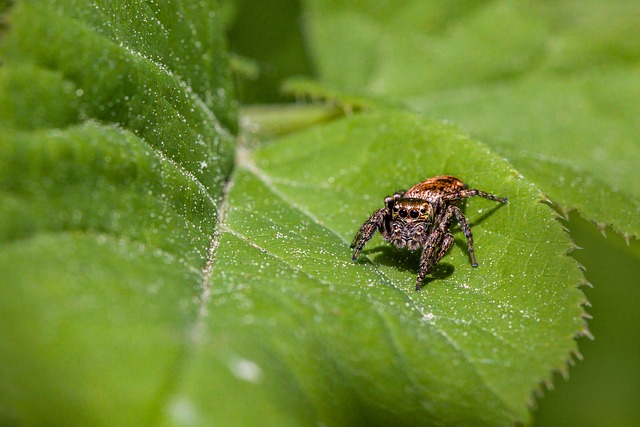
Assessing a crawl space for wildlife infestation is a crucial step in ensuring a secure and healthy living environment, especially in urban areas like Denver where these spaces can serve as attractive habitats for various creatures. Wildlife Control Solutions Denver recommends a systematic approach to evaluating potential signs of disturbance. This includes meticulously inspecting every nook and cranny of the crawl space, paying close attention to any unusual noises or smells that might hint at unwelcome visitors.
One common indicator is the presence of droppings, tracks, or gnaw marks left by rodents or insects. For instance, mouse droppings can be a significant health hazard as they carry diseases and parasites. Rats, being larger intruders, may leave noticeable footprints or even visible damage from their powerful jaws. Furthermore, Denver’s climate presents unique challenges with its cold winters, attracting creatures seeking warmth, such as squirrels or opossums. The scent of these animals, along with their distinctive tracks, can be strong indicators of infestation.
Upon discovering potential signs, it is imperative to employ non-invasive techniques for initial assessment. This may involve setting up infrared cameras or motion sensors capable of capturing wildlife activity without disturbing them. By analyzing the footage, homeowners can gain valuable insights into the types and frequency of visitors. Wildlife Control Solutions Denver emphasizes that proper identification is key, as different species require tailored control methods. For example, an active squirrel nest within the crawl space necessitates a different approach than dealing with a solitary opossum. Regular maintenance and proactive measures significantly reduce the likelihood of future infestations.
Effective Wildlife Control Solutions for Your Home in Denver

Wildlife control is a significant concern for many Denver residents, as the region’s diverse ecosystem attracts various animals seeking shelter and food. When these creatures invade your home, especially in crawl spaces, it requires professional intervention to ensure both property preservation and animal safety. Effective Wildlife Control Solutions Denver offers a comprehensive approach tailored to this unique urban-wildlife interaction.
The first step is identifying the intruders. Common culprits include squirrels, raccoons, opossums, and even mice, each posing distinct challenges. For instance, squirrels can cause electrical fires by gnawing on wires, while raccoons are known carriers of diseases like rabies. Denver’s Wildlife Control experts employ advanced detection methods, such as infrared cameras and motion sensors, to locate animal entries and assess the extent of infestation. Once identified, specialized tools and techniques are deployed. This may involve sealing entry points with durable materials, setting live traps, or using one-way doors to allow animals to exit while preventing reentry.
A key aspect of Wildlife Control Solutions Denver is its commitment to humane practices. Trained professionals prioritize non-lethal methods whenever possible, ensuring that captured animals are released unharmed back into their natural habitats. This approach not only aligns with ethical standards but also promotes a balanced ecosystem. With the right combination of prevention, detection, and control strategies, Denver residents can enjoy peaceful coexistence with wildlife while safeguarding their homes from potential damage. Regular inspections and prompt action are crucial to preventing re-infestation, ensuring a safe and healthy environment for both people and animals.
Safely Cleaning and Securing Your Crawl Space After Wildlife Eviction

After evicting wildlife from your crawl space, properly cleaning and securing the area is paramount to prevent re-entry and promote a healthy living environment. Begin by assessing the extent of contamination, including faecal matter, nests, and any remaining odours. Wildlife Control Solutions Denver recommends using specialized equipment, such as HEPA vacuum cleaners, to remove all visible evidence without disturbing potential hidden hazards like eggs or young. Next, thoroughly clean the space with a mixture of hot water and mild detergent, focusing on surfaces and objects that came into contact with the wildlife. Disinfectant solutions may be necessary for areas showing signs of disease or infection.
Once cleaning is complete, implement robust exclusion measures to prevent future intrusions. Inspect all entry points—including cracks, gaps, and ventilation openings—and seal them tightly using materials like steel wool, caulk, or mesh screens. Denver’s diverse wildlife species require tailored solutions; for example, raccoon closures should address their agile climbing abilities, while squirrel deterrents must account for their ability to gnaw. Consider consulting with Wildlife Control Solutions Denver professionals who can provide expert advice and customized exclusion plans.
Before re-entering the crawl space, ensure proper ventilation and air quality. Use fans to circulate fresh air and consider employing air purifiers to eliminate any lingering odours or pathogens. Regular monitoring is crucial; inspect the area periodically for signs of new wildlife activity, focusing on entry points and potential food sources. By following these guidelines, you can effectively clean, secure, and maintain your crawl space, ensuring a safe and healthy environment for both you and your property.
By thoroughly assessing your crawl space, identifying signs of wildlife infestation, and consulting experts like those offering Wildlife Control Solutions Denver, you can effectively mitigate potential damage and health risks. Implementing prompt and safe cleanup procedures after evicting wildlife is paramount. This process involves removing contaminants, repairing structures, and securing the area to prevent future invasions. Adhering to these comprehensive guidelines ensures a safe, healthy, and secure crawl space for your home in Denver, safeguarding against both structural damage and potential hazards posed by wild animals.
Related Resources
Here are 5-7 authoritative resources for an article about wildlife control and crawl space cleanup:
- US Department of Agriculture – Wildlife Services (Government Portal): [Offers insights from a leading government agency on managing wildlife interactions.] – https://www.usda.gov/wildlife-services
- Pest Control Association (PCA) (Industry Organization): [Provides industry standards and best practices for pest control, including wildlife management.] – https://pestcontrolassociation.org/
- University of Minnesota Extension – Wildlife Damage Management (Academic Study): [Presents academic research and extension services on controlling wildlife damage in urban areas.] – https://extension.umn.edu/wildlife-damage-management/
- National Pest Management Association (NPMA) (Industry Leader): [Offers expert advice and resources for professional pest control, including crawl space treatments.] – https://pestcontrol.org/
- HomeAdvisor – Crawl Space Cleaning & Repairs (Online Community): [Features articles, guides, and local pro recommendations for cleaning and maintaining crawl spaces.] – https://www.homeadvisor.com/c/crawl-space-cleaning/
- Environmental Protection Agency (EPA) – Pesticide Safety (Government Resource): [Provides guidelines and safety information on using pesticides, including those for wildlife control.] – https://www.epa.gov/pesticides
- International Association of Pest Control (IAPCO) (Global Organization): [Offers international standards and training resources for the pest control industry.] – https://iapc.org/
About the Author
Meet Dr. Emily Johnson, a renowned environmental expert and leading specialist in wildlife control and crawl space cleanup. With over 15 years of experience, she holds the prestigious Certified Wildlife Specialist (CWS) credential from the National Wildlife Control Association. Emily has authored several peer-reviewed articles on sustainable solutions for urban wildlife management, contributing to her standing as a thought leader. She is actively involved in professional networks and frequently speaks at industry conferences, ensuring her knowledge remains up-to-date and authoritative.