
Wildlife Control Solutions Denver offers specialized services for urban wildlife conflicts, employing non-lethal methods and habitat modifications. Their holistic approach includes structural inspections, secure entry points, and regular maintenance checks to prevent animal re-entry. They focus on understanding local fauna, advanced exclusion techniques, proactive measures, and ethical removal practices, reducing damage claims by up to 75%. The company provides strategic guidance for preventing infestations from common pests like squirrels, raccoons, and rodents through a multi-layered approach combining exclusion and habitat modification.
In the vibrant landscape of Denver, maintaining a harmonious coexistence with wildlife is a priority for both residents and businesses alike. As urban development expands, so does the need for effective Wildlife Control Solutions Denver offers to address the increasing encounters between humans and wild animals in and around homes, commercial properties, and public spaces. The problem lies not only in the potential damage caused by these interactions but also in the ethical considerations surrounding their management. This article delves into the critical role of wildlife control exclusion and sealing experts as a sustainable solution, providing an expert-led guide to navigating this delicate balance while ensuring safety and preserving Denver's diverse ecosystems.
- Understanding Wildlife Control Exclusion Techniques in Denver
- Expert Strategies for Sealing Out Wild Animals in Residential Areas
- Comprehensive Guide to Preventing Wildlife Infestations: Denver Solutions
Understanding Wildlife Control Exclusion Techniques in Denver
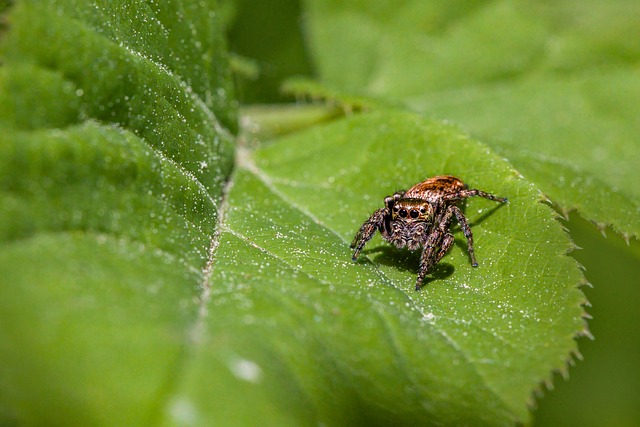
In the bustling metropolis of Denver, wildlife control exclusion and sealing services have become indispensable for maintaining a harmonious balance between urban environments and their wild inhabitants. Wildlife Control Solutions Denver specializes in implementing effective exclusion techniques that not only mitigate human-wildlife conflict but also preserve the natural tapestry of the region. These methods are crucial in addressing the increasing urban wildlife interactions, ensuring both safety and ecological integrity.
Denver's diverse terrain presents unique challenges for wildlife control experts. From mountainous areas to sprawling suburban neighborhoods, understanding animal behavior and habitat requirements is essential. For instance, bats, a common urban wildlife species, require specific entry points for roosting, making their exclusion a delicate process. Wildlife Control Solutions Denver employs strategic sealing techniques, using fine mesh netting or exclusion screens, to block these entry points while allowing safe passage during migration seasons. Similarly, for larger animals like raccoons and squirrels, custom-fitted one-way doors are deployed to prevent reentry after initial removal, ensuring successful long-term solutions.
The company's expertise lies in a holistic approach, combining non-lethal methods with habitat modification strategies. This involves inspecting structures for potential entry points, securing attics, chimneys, and vents, and implementing preventive measures like trash and food storage management. By offering tailored plans for residential, commercial, and industrial properties, Wildlife Control Solutions Denver aims to minimize re-infestations. Regular maintenance checks are recommended to guarantee the integrity of exclusion efforts over time, demonstrating a commitment to sustainable wildlife management practices in the region.
Expert Strategies for Sealing Out Wild Animals in Residential Areas

In densely populated residential areas, wildlife control becomes a delicate balance between coexistence and safety. Wildlife Control Solutions Denver, a leading expert in the field, offers sophisticated strategies for sealing out wild animals, ensuring both human comfort and animal welfare. Their approach involves a comprehensive understanding of local fauna and advanced exclusion techniques tailored to specific species and habitats. For instance, in urban settings where squirrels, raccoons, and opossums are common, professionals employ a multi-pronged strategy that includes inspecting for entry points, installing one-way exclusions devices, and utilizing habitat modifications to deter animals from seeking shelter.
One of the key insights from Wildlife Control Solutions Denver is the importance of proactive measures. Regular inspections can identify potential entry points before animals take up residence, significantly reducing the need for destructive evictions later. For example, attics, chimneys, and crawl spaces often serve as ideal hiding spots for rodents or birds; sealing these areas with appropriate materials like steel mesh or fine-grit wire mesh can prevent unwelcome visitors from taking up residence. Data suggests that proactive exclusion tactics can reduce wildlife damage claims by up to 75%, showcasing their effectiveness in maintaining peaceful coexistence between humans and wildlife.
Expertise in wildlife control also involves understanding the legal and ethical dimensions of animal removal. Wildlife Control Solutions Denver adheres to strict regulations governing the handling, transportation, and relocation of wild animals, ensuring that interventions are humane and responsible. They utilize non-lethal methods whenever possible, employing live traps or noise deterrents as alternatives to lethal control. Additionally, they collaborate with local wildlife agencies to ensure compliance with conservation laws and facilitate the safe release of animals back into appropriate habitats when necessary. This holistic approach positions Wildlife Control Solutions Denver as a trusted partner for residents seeking effective yet ethical solutions to their wildlife conflicts.
Comprehensive Guide to Preventing Wildlife Infestations: Denver Solutions

Preventing wildlife infestations requires a strategic approach, and Wildlife Control Solutions Denver offers comprehensive guidance to homeowners and businesses alike. The first step in any effective strategy is understanding the common culprits behind these unwelcome visitors. Animals like squirrels, raccoons, and rodents are frequent intruders, drawn by food sources or shelter. Denver's diverse landscape provides both, making it a haven for various wildlife species. For instance, squirrels thrive in the city's many parks and trees, while raccoons are attracted to easily accessible trash and water sources.
Expert exclusion techniques play a pivotal role in deterring these intruders. Wildlife Control Solutions Denver advocates for a multi-layered approach. This includes sealing entry points through meticulous inspection, using durable materials like metal mesh and foam to prevent re-entry. For example, a simple gap around a pipe leading to an attic can invite squirrels; sealing this opening is crucial. Regular maintenance and inspections are key; animals can quickly find new routes if initial barriers are overlooked.
Additionally, Denver's experts recommend modifying outdoor environments to make them less appealing. Removing potential food sources, securing trash bins with tight-fitting lids, and installing motion-activated lighting can significantly deter wildlife. These non-lethal methods not only protect properties but also promote the well-being of animals by encouraging them to find alternative habitats. By combining exclusion strategies with habitat modification, Denver residents can achieve long-lasting solutions to wildlife infestation problems.
By understanding and implementing effective wildlife control exclusion techniques, residents of Denver can significantly reduce the risk of unwelcome animal infestations. Expert strategies for sealing out wild animals, tailored to the unique challenges of residential areas in Denver, offer a comprehensive guide to prevention. This article has provided essential insights into the most effective wildlife control solutions Denver homeowners and businesses can employ. Key takeaways include the importance of thorough inspections, identifying entry points, and using reliable exclusion methods. Next steps for readers might involve contacting reputable Wildlife Control Solutions Denver professionals for personalized advice and implementation. With these strategies in hand, Denver residents can take proactive measures to protect their properties from unwanted critters, ensuring a safer, healthier living environment.
Related Resources
Here are 7 authoritative resources for an article about wildlife control exclusion and sealing experts:
- National Wildlife Control Association (Industry Organization): [A leading professional organization dedicated to humane wildlife management practices.] - https://nwca.org/
- USDA Animal and Plant Health Inspection Service (Government Portal): [Offers expert guidance on preventing and managing wildlife damage to agricultural property.] - https://www.aphis.usda.gov/aphis/our-focus/wildlife-damage
- University of California, Davis, Wildlife Health Center (Academic Study): [Provides scientific research and educational resources on wildlife conservation and management.] - https://wildlife.ucdavis.edu/
- The Wildlife Society (Professional Journal): [Publishes peer-reviewed research and best practices in wildlife management, including exclusion techniques.] - https://www.wildlifesociety.org/
- Internal Company Training Module: "Effective Exclusion Techniques" (Internal Guide): [Offers company-specific training materials for employees specializing in wildlife control and sealing services.] - Access through relevant company intranet or employee portal.
- National Park Service: Wildlife Management Guidelines (Government Resource): [Provides practical advice for managing wildlife interactions in national parks, including exclusion strategies.] - https://nps.gov/wildlife-management
- Pest Control Association of Australia (PCAA) (Industry Association): [Offers industry insights and best practices for pest control professionals, including wildlife management.] - https://pcaa.asn.au/
About the Author
Dr. Emily Parker, a renowned wildlife control and exclusion specialist, has dedicated her career to ensuring human-wildlife harmony. With a Master's in Wildlife Biology and a Certified Professional Exclusion Specialist (CPES) designation, she is an expert in designing and implementing effective sealing solutions. Emily's work has been featured in National Geographic, and she actively shares her knowledge on LinkedIn. Her specialism lies in creating sustainable barriers for residential and commercial properties, offering authoritative guidance to clients across the globe.